My role: vice-president responsible for marketing and communications from 2012 to January 2020, then board member. I contributed to rebuilding Neuchâtel Xamax alongside the president, club teams and partners.
The challenge: rebuild trust after the 2012 bankruptcy, mobilise supporters and develop B2C and B2B resources.
My decisions: start with the different audiences, connect the identity with the historic X and coordinate complementary offers and channels: donations, ticketing, sponsorship, merchandise and content.
A concrete result: the virtual-brick campaign raised more than CHF 200,000, according to the original dossier’s review. This amount concerns that specific campaign. The club’s rebuilding and sporting recovery were collective achievements.
Bulat Chagaev était arrivé menottes aux poings, au tribunal de Boudry, le mercredi 29 fevrier 2012
The challenges
Objectives
Audience segmentation
Who are the audience groups?
Brand awareness
Rebuild the club’s reputation
Develop B2C and B2B revenue
Generate resources within tight financial constraints
Build an acquisition strategy
Bring new and returning fans to the stadium
Audience segmentation
To adapt offers to audience expectations, we studied supporter behaviour, club archives, fan forums and academic work. We developed four working audience groups: committed fans, occasional fans, people seeking entertainment, and sponsors and VIPs.
Phone and email. Business relationships, service quality, visibility and hospitality.
Rebuilding the brand and B2C and B2B revenue
We revisited the visual identity around the club’s iconic X, reconnecting with its history and supporting a fresh start. Communications needed to make the project understandable and give fans and partners concrete reasons to join it.
The virtual-brick campaign allowed supporters to contribute and receive a certificate with a named online brick. The original dossier reported more than CHF 200,000 raised by this campaign. This is distinct from all funding raised for the club.
I chose to structure actions around four working audience groups: committed supporters, occasional visitors, families seeking entertainment, and sponsors and VIPs. Each offer was connected to an expectation, communications channels and tracking indicators.
Committed supporters
Social content included goal videos, interviews and polls. A mobile app supported live following of the club and competitions. Affordable season tickets and promotional away-match trips, including coach transport, complemented the offer.
Tracking: social following and engagement, app downloads, competition entries, season tickets and away-trip participation.
People seeking entertainment
Matchday activities included a pre-match village, children’s entertainment and local food tastings. Family offers, reduced children’s tickets, a family stand and themed events supported a broader matchday experience.
Tracking: event attendance and take-up of family offers.
Occasional fans
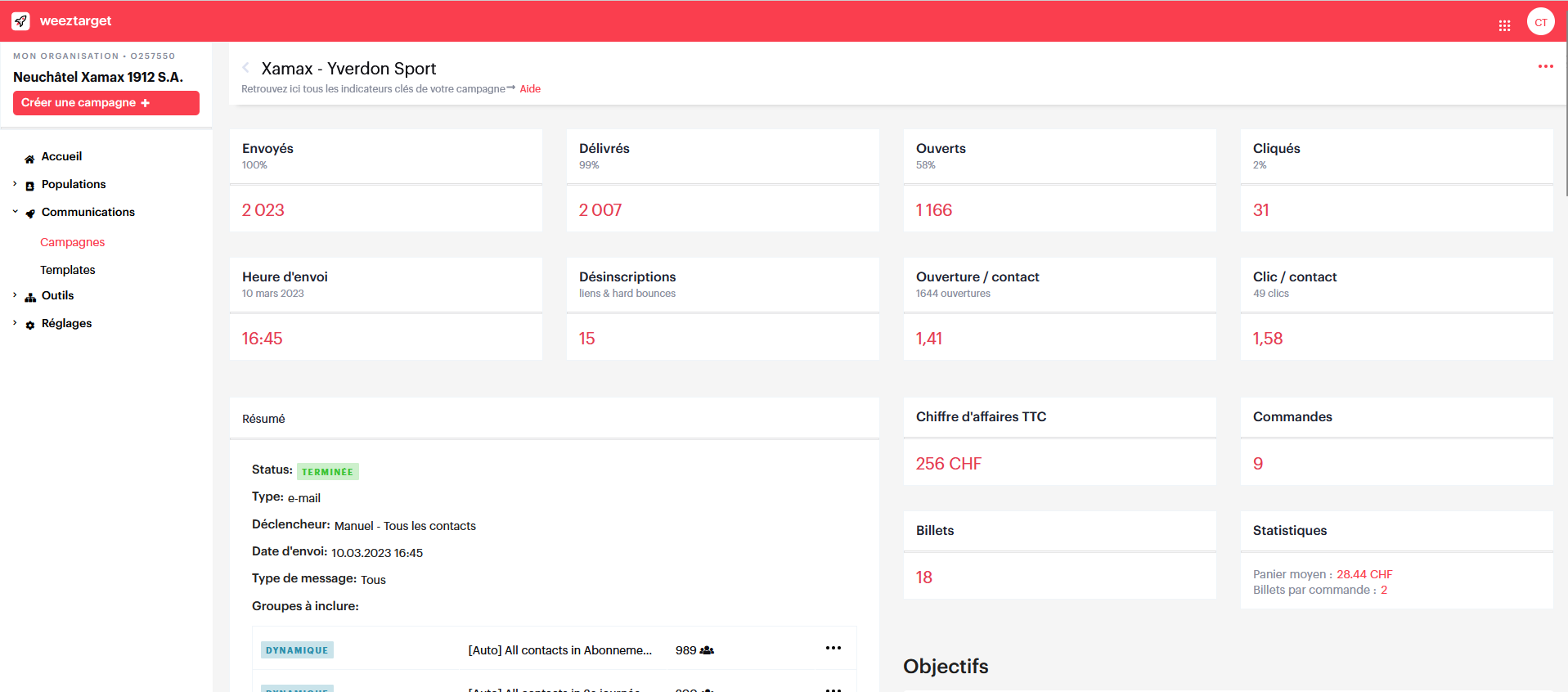
Regional press, radio and television advertising kept matches visible. A weekly newsletter maintained contact with club news.
Tracking: newsletter readership, advertising views, social engagement, conversions and attendance.
Tracking: sponsor numbers, take-up of proposals and partner engagement after events.
Offers and experiences had to reflect different expectations. We considered the whole fan journey, from advertising to the end of the event, to improve coherence and support loyalty.
Video promoting hospitality spaces and advertising opportunities. Original video in French.
Acquisition strategy
The club developed digital channels and a physical presence across its local catchment area, connecting communications with relevant offers and experiences.
Digital acquisition
Virtual-brick donations
A PrestaShop online store
A mobile app developed with regional newspaper Arcinfo
A Mailchimp newsletter
Regular content and paid social campaigns
Local presence
Regional press, radio and television partnerships
Poster campaigns and public transport advertising
Regional advertising screens
Partnerships with local clubs
Children’s football camps and player visits
Community initiatives
Different channels addressed audiences’ habits and preferences. Clear information and straightforward actions were necessary throughout the journey.
Conversion
Relevant content: website and social content encouraging newsletter sign-ups, ticket and merchandise purchases, season tickets and donations.
Exclusive offers: targeted benefits for club members and supporters.
User experience: clearer information and simpler purchasing through e-commerce.
Loyalty
Email: regular newsletters and relevant offers, including for season-ticket holders.
Loyalty: exclusive benefits and renewal incentives.
Social media: regular interactions to maintain the connection with the community.
Indicators
Management combined sales, retention, engagement and audience feedback. The indicators below describe areas tracked; not all are published quantified outcomes. The economic result documented here concerns the virtual-brick campaign.
Revenue
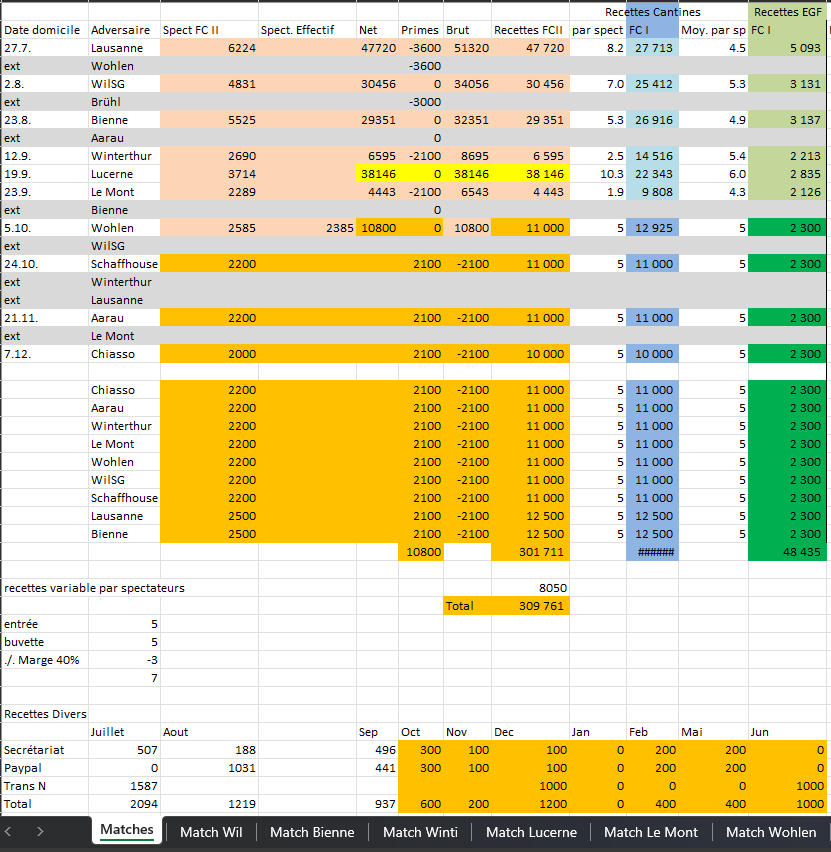
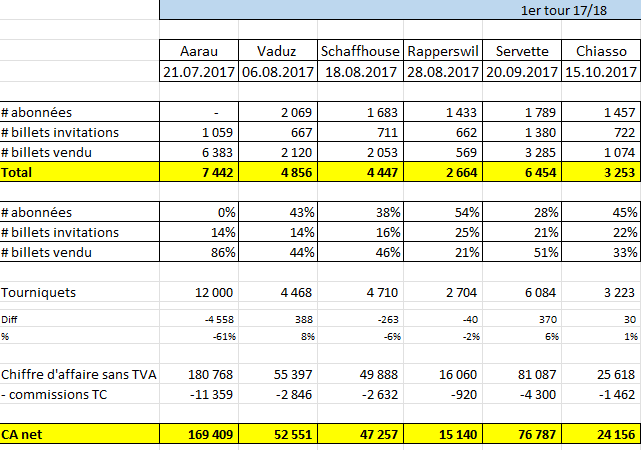
Ticket and merchandise revenue could be tracked through the online store and physical points of sale during the early seasons.
Following and engagement
Changes in social following and engagement with content. Facebook benchmarking against other clubs had been tracked since 2009.
Fans and season-ticket holders
Track supporter, season-ticket holder and sponsor development and retention, distinguishing new audiences from renewals.
Website
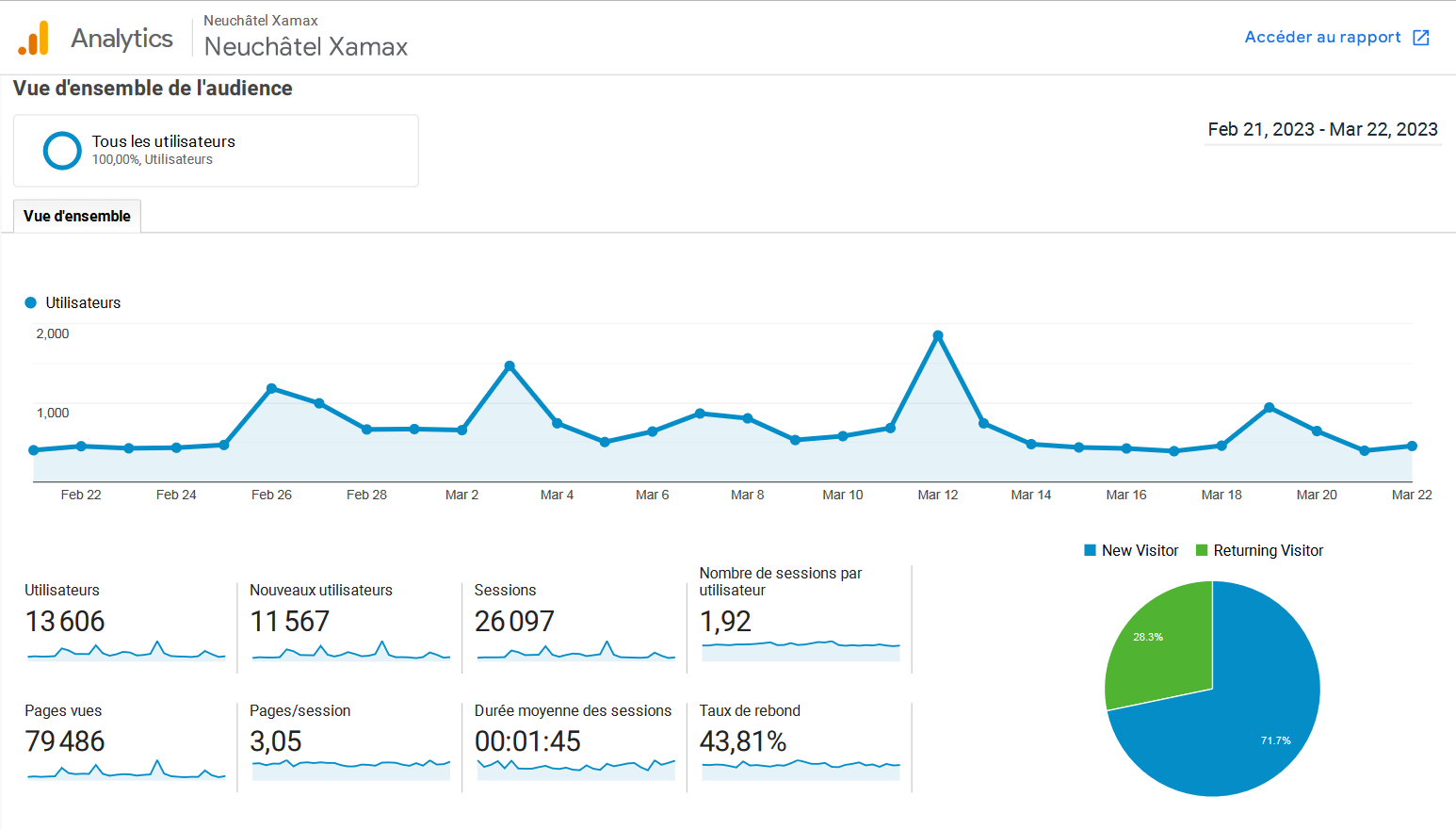
Website visits and content engagement, while recognising the influence of sporting results and transfers.
Conversion rate
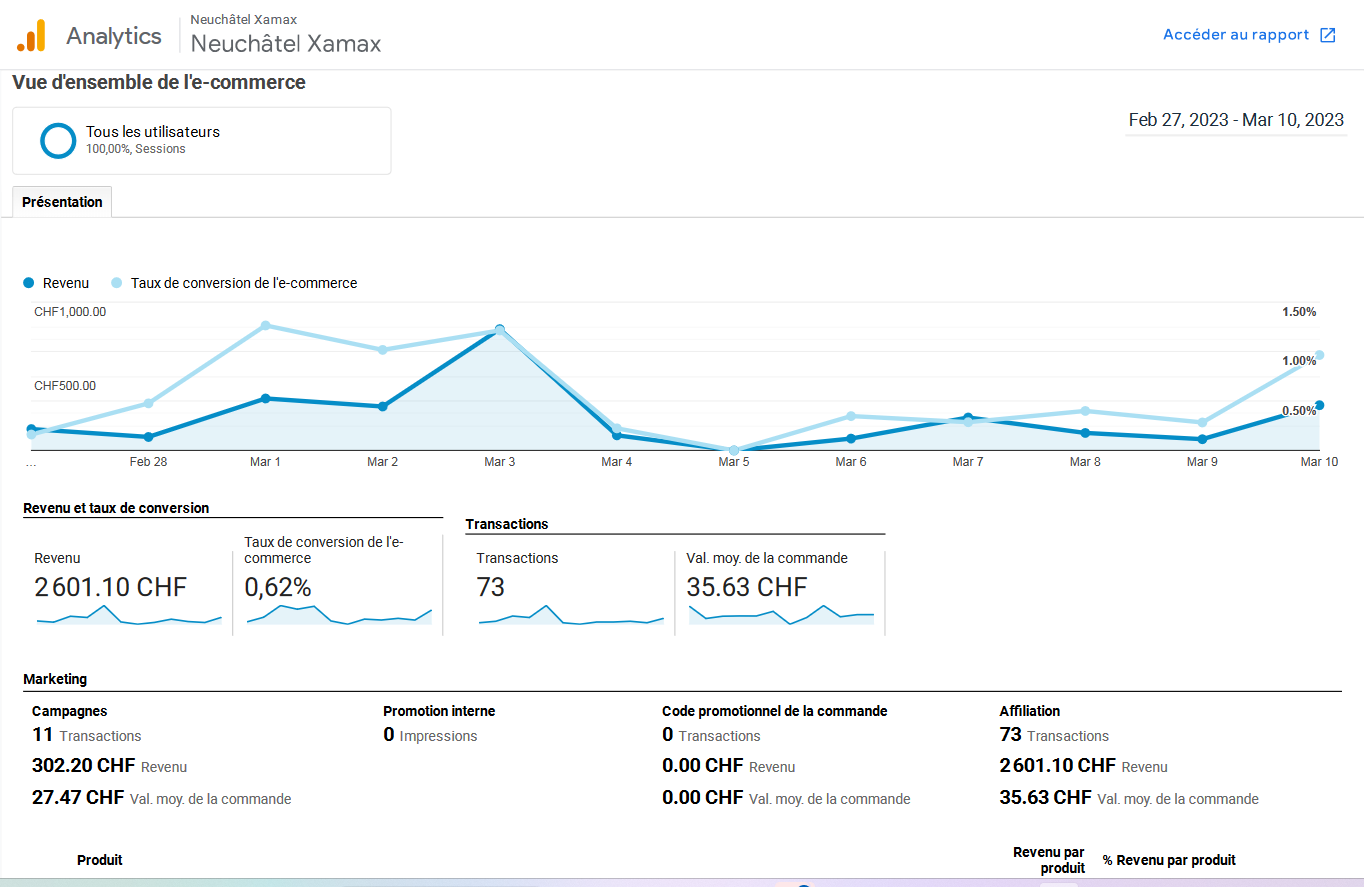
The proportion of visitors buying tickets or merchandise, interpreted in the context of sporting performance, transfers and the measurement setup.
Newsletter performance
Email engagement, audience retention and the contribution of newsletters to purchase journeys.
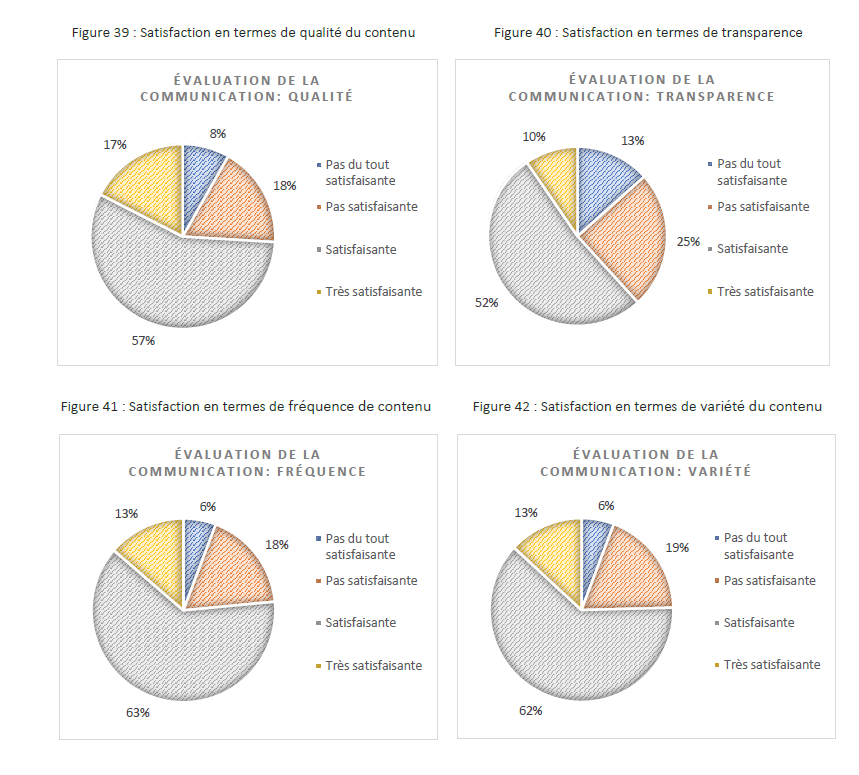
Fan and partner satisfaction
Surveys gather fan and sponsor expectations and assess their experience alongside sales and engagement indicators.
Media coverage
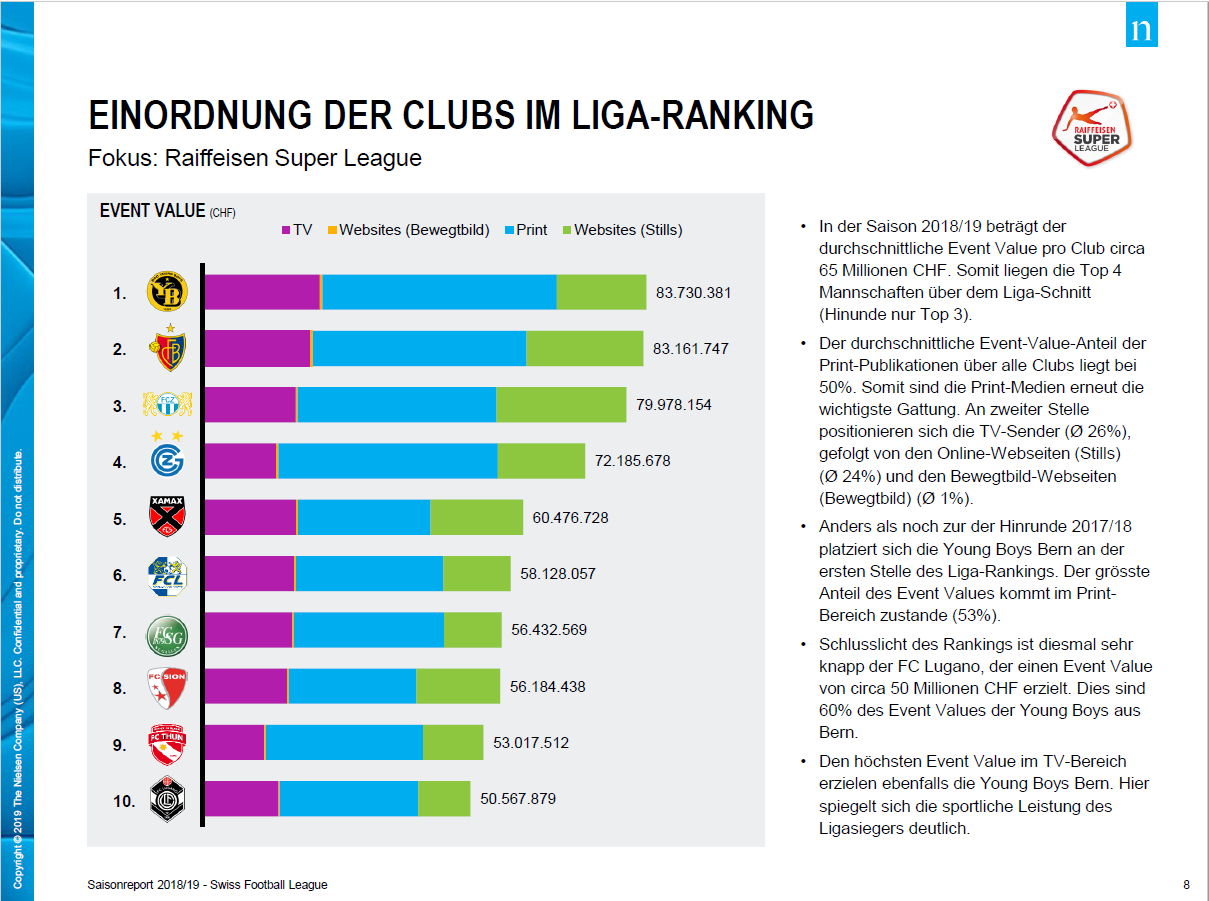
Media coverage of campaigns, competitions, events and partnerships, alongside the annual Nielsen visibility reporting provided to clubs.
Assessing the economic contribution
To assess investment, I distinguish revenue, acquisition cost and profitability. The analysis connects ticketing and sponsorship revenue with campaign spending, partner contributions and operating costs. ROI requires a defined margin and revenue attributable to the action.
This economic perspective helps compare options and inform decisions with leadership and finance teams.
About this experience
My role
Marketing, communications and coordination
My role developed from vice-president and head of marketing between 2012 and January 2020 to board member responsible for marketing and communications strategy. I work with the president, administration, communications teams, sponsors and suppliers.
I propose directions, develop offers, coordinate contributions and monitor results. This cross-functional role is distinct from line management of every contributor.
Method
A method suited to the club’s resources
Understand audiences: combine supporter discussions, archives and studies into working segments.
Rebuild a coherent brand: connect identity, messages and offers with the club’s history.
Deliver: coordinate donations, sponsorship, ticketing, merchandise and content with teams and partners.
Measure and adjust: track sales, engagement and feedback in the context of sporting results and available resources.
The virtual-brick campaign raised more than CHF 200,000 according to the original dossier, illustrating community mobilisation around a concrete proposition.
To provide the best experiences, we use technologies such as cookies to store and/or access device information. Consenting to these technologies will allow us to process data such as browsing behaviour or unique IDs on this site. Not consenting or withdrawing consent may adversely affect certain features and functions.
Functional
Always active
The technical storage or access is strictly necessary for the legitimate purpose of enabling the use of a specific service explicitly requested by the subscriber or user, or for the sole purpose of carrying out the transmission of a communication over an electronic communications network.
Preferences
The technical storage or access is necessary for the legitimate purpose of storing preferences that are not requested by the subscriber or user.
Statistics
The technical storage or access that is used exclusively for statistical purposes.The technical storage or access that is used exclusively for anonymous statistical purposes. Without a subpoena, voluntary compliance on the part of your Internet Service Provider, or additional records from a third party, information stored or retrieved for this purpose alone cannot usually be used to identify you.
Marketing
The technical storage or access is required to create user profiles to send advertising, or to track the user on a website or across several websites for similar marketing purposes.